May 6th: Our “CIRC du CAFe”/Wall Walk/Alt. Poster Session, 11:00am -12:30pm
The wall walk will take place in the Info Commons in Hornbake Library from 11:00am-12:30pm and will feature installations, works-in-progress, and posters showcasing graduate student projects on our new experiential learning teaching experiment. This first iteration of the (award-winning!) CAFe Incremental Research Collective (CIRC) was co-designed by CAFe faculty (Fenlon, Grimmer, Hung, Marsh, Van Hyning) to trial distributing archival work on one collection across FOUR graduate courses in different modalities! We are very grateful to the collection donor, Emeritus Professor Dagobert Soergel, who promises to be in attendance! Courses included below for a flavor of project outputs you might see:
INST785 Documentation, Collection, & Appraisal of Records (Grimmer, in person) — students conducted initial inventory and selection activities and applied appraisal theory as to faculty papers and disciplinary history.
INST604 Introduction to Archives and Digital Curation (Marsh, synchronous online), students conducted research to situate the materials within broader collecting contexts, produced scope notes and and experiment with other digital avenues for access.
LBSC770 Metadata and Tools for Information Professionals (Grimmer, asynchronous online), students will design and apply descriptive metadata schemas, experiment with cleanup and reconciliation tools, and explore linked data modeling.
INST614 Information Literacy and Inclusion (Hung, in person) students explored these collections for K-12 instructional use.
We’re planning to bring light treats!
Our Graduate Student Research Symposium, 3:30-5:30pm
In collaboration with the Student Archivists at Maryland (SAM), the CAFe symposium will take place in the Info Commons in Hornbake Library from 3:30–5:30 pm and will feature lightning talks and posters showcasing graduate student research across archives, records, and special collections. It’s a great opportunity to see the range of work happening in our community and to connect with the work our students are doing.
The event will feature a potluck! If you’d like to contribute, please sign up here.
April 8th: Journalism & Data Roundtable
 |
 |
 |
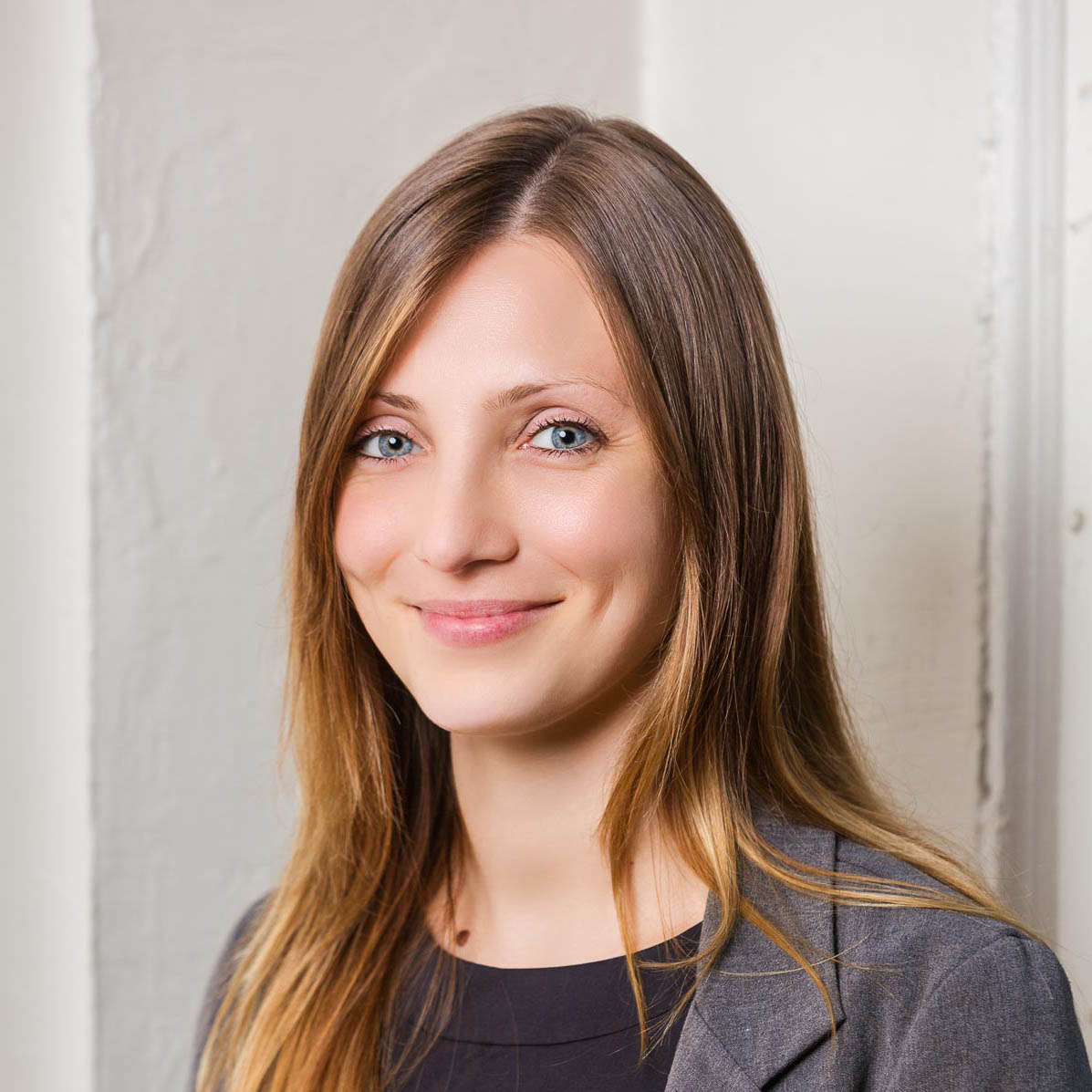 |
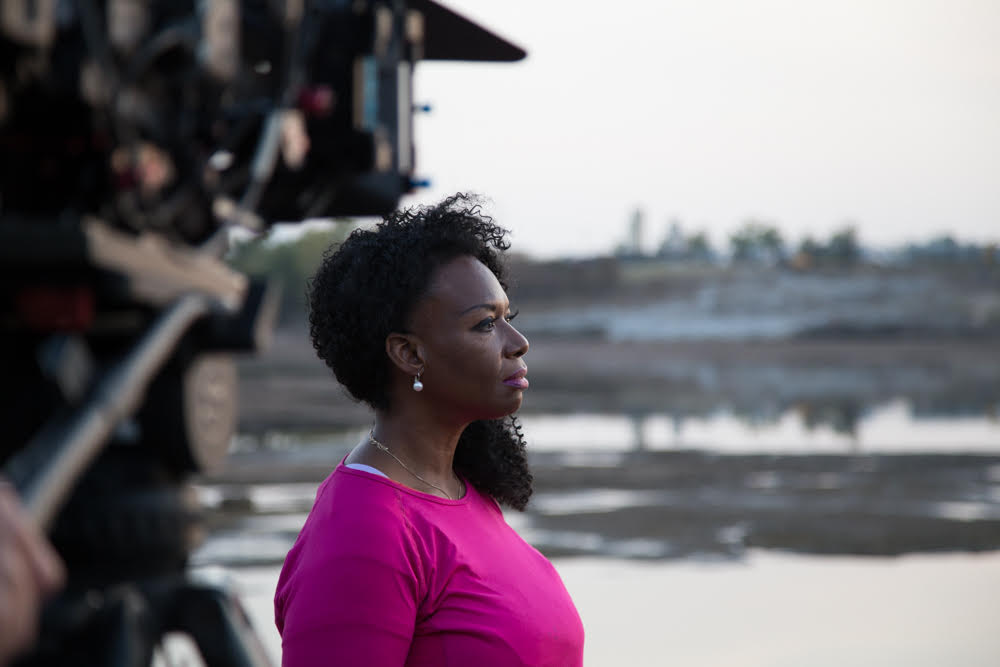
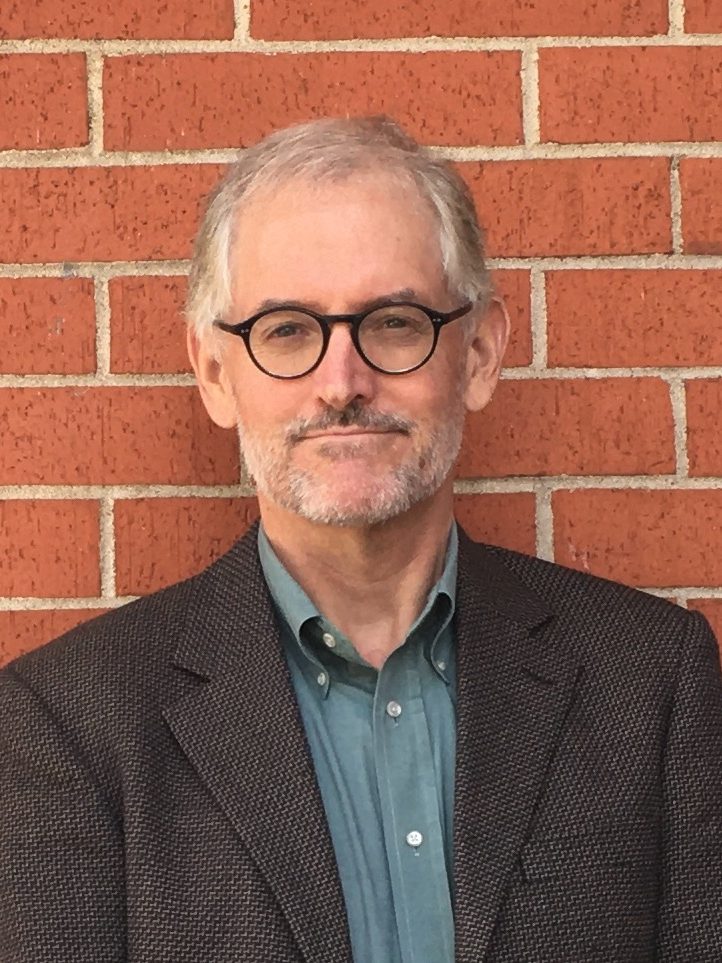
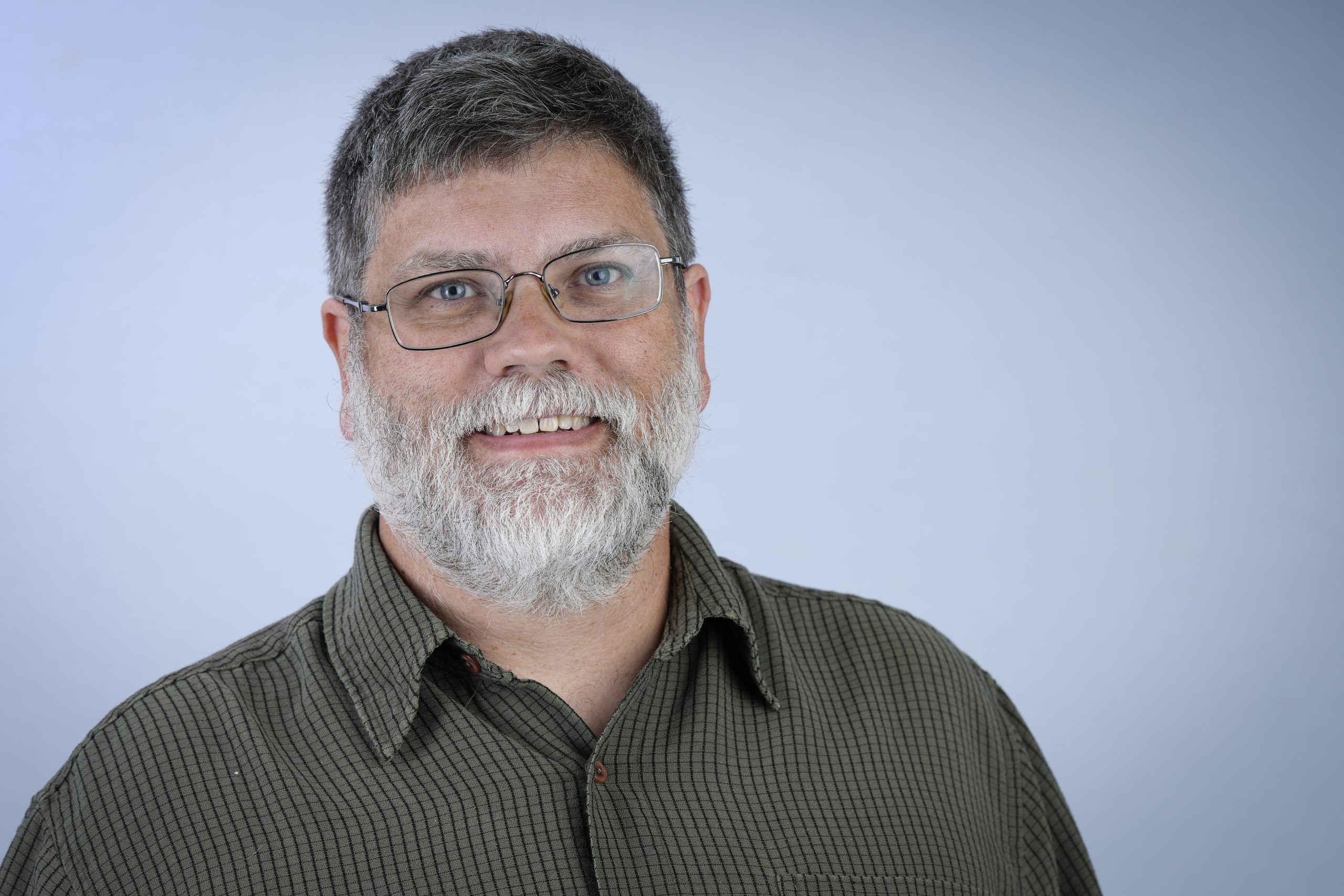
Speakers: DeNeen L. Brown (Top Left) , Rob Wells (Top Right) , Jeff Suess (Bottom Left) , Katherine Boss (Bottom Right)
Abstract:
This roundtable convenes journalists to examine the relationships among newspaper archives, data practices, and evolving news infrastructures. Participants will discuss how reporting, preservation, and data reuse change over time, with attention to moments of institutional transition such as ownership transfers and the sale of media outlets. The discussion foregrounds the material and organizational conditions that shape archival continuity and access, and considers how these conditions influence the afterlives of journalistic records. By situating contemporary practices within longer trajectories of media change, the session offers a critical account of how news production and preservation intersect in an era of consolidation and restructuring.
Bios:
DeNeen L. Brown has been an award-winning writer for The Washington Post for more than 37 years. Brown is a professor at the Philip Merrill College of Journalism, where she teaches Feature Writing, “Covering Social Justice Issues for Newspapers and Magazines,” and the “Power of the Writing Voice.”
Brown has written extensively about the country’s history of racial terror lynchings and massacres. After Brown’s 2018 story on the 1921 Tulsa Race Massacre was published on the front page of The Washington Post, the mayor of Tulsa announced he would reopen the city’s search for mass graves of victims of the massacre. In October 2020, the city discovered a mass grave that may be connected to the massacre.
Brown’s work on Tulsa is featured in two documentaries:
“Rise Again: Tulsa and the Red Summer,” released on NatGeo TV and Hulu. https://www.youtube.com/watch?v=rFR0wUtcrZU
Tulsa: The Fire and the Forgotten for PBS. https://www.youtube.com/watch?v=diyUd6vsRV0
From 2000 to 2004, Brown was a foreign correspondent for The Washington Post, and the first Black woman to cover Canada for The Washington Post. As a foreign correspondent, Brown traveled throughout the Arctic and the Arctic Archipelago, which consists of 94 islands, to write about climate change and indigenous populations. Many of her stories about climate change, which were first-hand reports about the fragile Arctic and thinning sea ice, are cited in scientific journals throughout the world.
Here is a link to her author page at The Washington Post: https://www.washingtonpost.com/people/deneen-l-brown/
Rob Wells is an associate professor at the Philip Merrill College of Journalism at the University of Maryland, where he teaches data, reporting and is the Ph.D. Studies director. Wells returned to Maryland in January 2022 after teaching for 5 1/2 years at the School of Journalism and Strategic Media at the University of Arkansas in Fayetteville. He taught data journalism, journalism theory, business journalism, and led the Graduate Studies program. He led his students to produce the award-winning ArkansasCovid.com website, which published daily updates of data and news on the Covid-19 pandemic. Wells earned his doctorate in Journalism Studies at the Merrill College of Journalism in 2016. He is a journalism historian, specializing in business journalism, and also conducts research on data journalism.
Jeff Suess is a history columnist and librarian at the Cincinnati Enquirer. He is the author of several books on Cincinnati history, including Lost Cincinnati, Hidden History of Cincinnati, Cincinnati Then and Now, and Cincinnati: An Illustrated Timeline. He also wrote Tomorrowland: The Past, Present, and Future of Disney’s Most Changed Land, co-wrote The Cincinnati Bengals: An Illustrated Timeline with Rick Pender and The San Francisco 49ers: An Illustrated Timeline with Mark Purdy, and edited the Cincinnati Reds books Pete Rose: A Tribute to a Baseball Legend and Big Red Machine: Cincinnati’s Dynasty 50 Years Later. Jeff grew up in Modesto, California, and graduated from San Francisco State University. He lives in Cincinnati with his wife, Kristin, and their daughter, Dashiell.
Katherine Boss lives in Oslo, Norway, and is a head librarian and web archiving curator at the National Library of Norway. She previously worked as the Librarian for Journalism, Media, Culture and Communication at New York University. Her research focuses on the challenges of archiving born-digital news content and pedagogies in library instruction. She has served as co-
chair of the Association of College & Research Libraries’ Communication Studies Committee, as well as the co-leader of the Archiving and Preserving News Applications working group of the Journalism Digital News Archive. She holds a bachelor’s in Journalism from Grand Valley State University, a master’s in Library and Information Science from Long Island University, and a master’s in Media Studies from The New School in New York City.
March 4th: Archiving Machines: From Punch Cards to Platforms
Speaker: Amelia Acker, Associate Professor, School of Communication & Information, Rutgers, The State University of New Jersey
Abstract:
This book talk examines how data archiving processes, the computational techniques of storage, exchange, and transmission, have transformed memory practices and created new regimes of asymmetric access. Drawing on fieldwork with historic computing machines, early digital data formats, personal digital assistants and early mobile apps, I trace how ‘archive’ became a verb in computing cultures, and how this shift enabled corporate platforms to assert functional sovereignty over collective memory. While most critiques of big data focus on extraction and prediction, I argue that long-term storage and asymmetric access to data constitute a historically specific regime that determines what counts as memory in a time of platform capitalism. Through key scenes in the history of data management from the 1960s-2010s, I demonstrate how techniques of distancing separate data creators from the archives they create. These distancing techniques operate through embedded practices like automatic saving, cloud storage, and mobile apps that condition users to cede control while experiencing greater device interaction. By examining moments when institutions failed and corporations succeeded in controlling access to data archives, Archiving Machines offers both a critical genealogy of our current condition and grounds for imagining alternative futures for our digital cultural memory.
Bio:
Amelia Acker is an Associate Professor in the School of Communication & Information at Rutgers, The State University of New Jersey. Her research on data management and digital preservation has been supported with funding from the Institute for Museum and Library Services, the National Science Foundation, the Sloan Foundation, the Ford Foundation, and the ACM History and Archiving Fellowship. Acker’s projects address the representation and loss of digital traces, the history of data management, and the transmission of information through time. She investigates how infrastructure and organizational practices shape the preservation, accessibility, and governance of data, with a particular focus on the impact of platforms, software, and AI on archives and digital memory. Acker is the author of Archiving Machines: From Punch Cards to Platforms (MIT, 2025).
February 13th: Douglass Day 2026
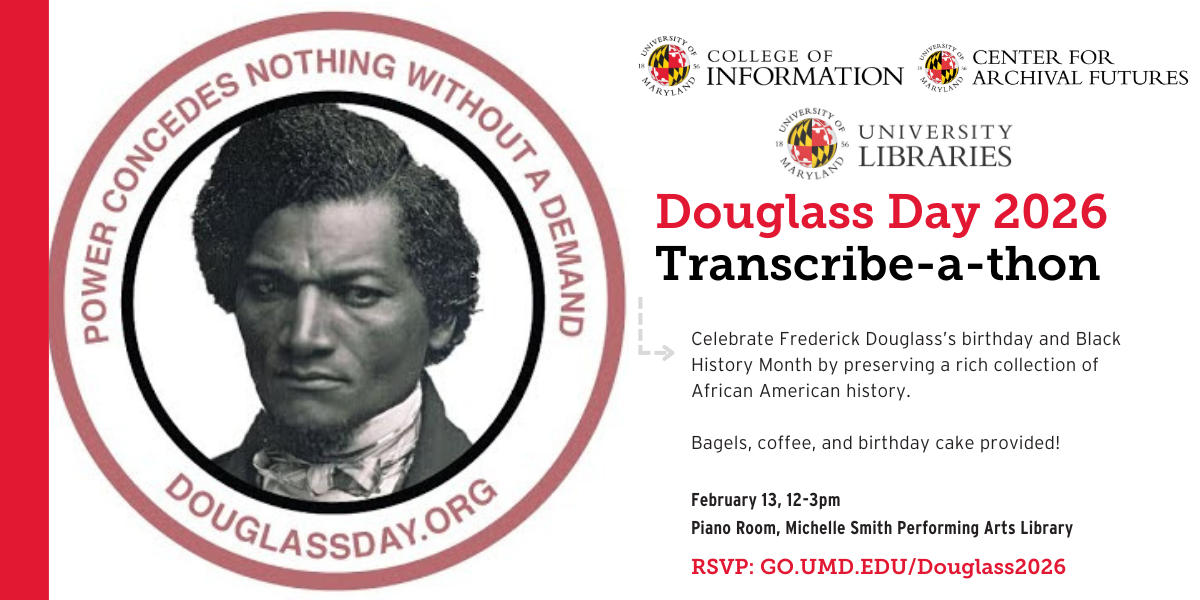
Celebrate Frederick Douglass’s birthday and Black History Month by preserving a rich collection of African American history. The day will include a Transcribe-a-Thon and a live stream of the Douglass Day program. This year, in addition to transcribing textual documents through the LC’s platform, students can experiment with encoding music using spirituals from the Jessye Norman papers at the LC.
February 4th: Computing Cultural Heritage: Re-imagining Search & Discovery
Speaker: Benjamin Lee, Assistant Professor, Information School, University of Washington
Abstract:
Widespread efforts by libraries, archives, and museums have drastically improved digital access to collections. Yet, scholars and the public alike face a persistent challenge: how to explore and analyze these digital collections, which frequently contain millions of items and often suffer from imperfect metadata. My interdisciplinary research in this field of “computing cultural heritage” addresses this question by bringing together approaches from AI, library & information science, and the digital humanities in order to build and examine large-scale search systems for digital collections. In this talk, I will present my genealogy of work in this space. I will conclude with a horizon of opportunities and challenges that lie ahead.
Bio:
Benjamin Charles Germain Lee is an Assistant Professor in the Information School at the University of Washington, where he has started the Lab for Computing Cultural Heritage. Ben’s research explores how to re-imagine search and discovery for large-scale digital collections held by libraries, archives, and museums. Previously, Ben has served as an Innovator in Residence as well as a Kluge Fellow in Digital Studies at the Library of Congress. He also was the inaugural Digital Humanities Fellow at the United States Holocaust Memorial Museum. Ben received his Ph.D. in Computer Science & Engineering from the University of Washington, which was supported by a National Science Foundation Graduate Research Fellowship in machine learning.
January 20th, 21st, and 22nd: CIRC Digitization Day
Abstract:
The CAFe Incremental Research Collective (CIRC) is a new research and training model designed to address the challenges of sustaining applied research that meaningfully spans multiple courses, instructional modalities, and levels of student expertise, while also generating faculty-led research outcomes. CIRC functions as a project-based research collective that enables MLIS students to contribute incrementally to faculty-led research while receiving structured recognition for their work. Students may participate at varying levels of intensity and duration, yet their contributions accumulate into coherent pilot studies with real scholarly outputs. The pilot collection for this research consists of donated boxes of materials from past faculty, with a particular emphasis on the papers of Dagobert Soergel and related documentation of the history of information science. These materials currently exist almost entirely in analog form. Rapid digitization will allow CIRC to experiment across courses, particularly those that are fully online or asynchronous.
Research Activities:
This project will conduct a tightly sequenced pilot designed to test the feasibility of the CIRC model under real instructional and institutional constraints. The first phase focuses on digitization of a representative subset of the donated faculty collections. Digitization will take place during three intensive pre-semester scanning days on January 20–22 to produce standardized digital surrogates. These sessions are deliberately scheduled prior to the start of the Spring term to ensure that a usable digital corpus is available from the first week of classes.
January 9th: FAIRly Obscure (The Trilogy): An Anthropology Wikipedia Edit-a-thon
Registration via Eventbrite: https://www.eventbrite.com/e/
Presented by:
The University of Maryland Center for Archival Futures; The Bentley Historical Library and University of Michigan School of Information; the University of Missouri’s iSchool; and the Council for the Preservation of Anthropological Records (CoPAR), and Wikimedia DC.
Event description:
Are you interested in the history of anthropology? In archival representation, outreach, and linked data? In FAIR and CARE principles for social science and scientific information? Getting trained up in Wikipedia or Wikidata? Join the third in our series of co-sponsored edit-a-thon events to support the ethical description of anthropological knowledge and anthropological records focused on reworking and expanding related Wikipedia and Wikidata entries.
This edit-a-thon will focus on editing, adding, and checking information on these publicly available and publicly maintained registries (e.g. CoPAR registry version 1 and 2) relating to anthropologists and anthropology. Interested audiences may include community members, anthropologists, graduate students in anthropology, graduate students in information science, linked data nerds, and others!
No Wikipedia editing experience necessary. Wikipedia training will be provided, along with lightning talks, a demo on Wikidata, and an optional open discussion on the new North American Indigenous Wiki Interest Group.
Event preparation:
Please read or refresh on the following:
Wiki guide from Australia: https://wikimedia.org.au/wiki/
WikiProject, Indigenous Peoples of North America Wikidata Model: https://www.wikidata.org/wiki/
Living persons guidance: https://en.wikipedia.org/wiki/
Protocols for Native Archival Materials: https://www2.nau.edu/libnap-p/
CARE Principles for Indigenous Data Governance: https://www.gida-global.org/
FAIR Principles for Scientific Data Management and Stewardship: https://www.go-fair.org/fair-
On editing Wikipedia for history: Roy Rosenzweig, “Can History Be Open Source? Wikipedia and the Future of the Past,” Journal of American History 93, no. 1 (June 2006): 117-146. DOI: https://doi.org/10.2307/
Carlson, B., & Rana, L. (2024). “I really like Wikipedia, but I don’t trust it”: Understanding First Nations peoples’ experiences using Wikipedia as readers and/or editors. Macquarie University. https://doi.org/10.25949/76YK-
When:
Wikipedia training will be provided, taking place Friday, January 9, 2026. If you’ve never edited before, please plan to attend the training session, from 11:30am-12:30pm.
Brief Wikidata training will take place at 1:30pm.
Open editing time will run from 12:45pm to 3:30pm (Eastern time).
From 3:30pm to 3:45pm we will invite an optional open discussion of the North American Indigenous Wiki Interest Group.
Please fill out this quick Google Form to indicate your interest in Wikipedia or Wikidata:
Wikidata & Wikipedia Interest Survey Link: https://forms.gle/
December 2nd: Celebrating the Public Domain
Speakers: James Boyle (he/him), Professor of Law, Duke Law School ; Founder of the Center for the Study of the Public Domain
Jennifer Jenkins (she/her), Clinical Professor of Law teaching intellectual property; Director of Duke’s Center for the Study of the Public Domain
Abstract:
The public domain plays an essential role in our copyright system, promoting new creativity and enabling access to and preservation of our shared culture. In 1998, the Copyright Term Extension Act froze the US public domain by adding 20 years to the copyright term. No published works entered our public domain for two decades. Then in 2019 the public domain reopened. Since then, there has been a groundswell of excitement about the annual entry of works into public domain. Every year, the Center for the Study of the Public Domain celebrates this occasion with its Public Domain Day articles. Join Professors Boyle and Jenkins for a preview of what will become public domain in 2026, as well as reflections on the history and importance of the public domain and the impact of the long copyright term.
Bios:
James Boyle is William Neal Reynolds Professor of Law at Duke Law School and founder of the Center for the Study of the Public Domain. His books include The Line: Artificial Intelligence and the Future of Personhood (MIT Press 2024), The Public Domain: Enclosing the Commons of the Mind (Yale University Press 2008) and Shamans, Software and Spleens: Law and the Construction of the Information Society (Harvard University Press 1996). He won the World Technology Network Award for Law for his work on the public domain and was one of the founding Board Members of Creative Commons.
Jennifer Jenkins is a Clinical Professor of Law teaching intellectual property and Director of Duke’s Center for the Study of the Public Domain. She authors the center’s annual Public Domain Day articles and is the author of the new book Music Copyright, Creativity, and Culture from Oxford University Press (2025).
November 5th: Turning the Power: Indian Boarding Schools, Native American Anthropologists, and the Race to Preserve Indigenous Cultures
Speaker: Nathan Sowry, Reference Archivist, Smithsonian Institution’s National Museum of the American Indian
Abstract:
Turning the Power follows the forced indoctrination of ten Native American students in the Indian Boarding Schools of their youth, and how they rebelled against federally sanctioned racist assimilation programs as adults. Though largely forgotten today, each of them “turned the power,” using their English knowledge and work experience in the anthropological field to embrace, document, and preserve their Native cultures rather than abandoning their heritage. In this work, Sowry restores identity and returns humanity to these ten individuals who spent their lives teaching others about their Indigenous cultures.
Bio:
Nathan Sowry is the Reference Archivist at the Smithsonian Institution’s National Museum of the American Indian, where he has worked since 2016. He regularly collaborates with Native and non-Native researchers, scholars, and community groups interested in utilizing archival collections and visiting their cultural heritage. Sowry received his BA in Anthropology and Religious Studies from the University of Pittsburgh, MA in History from Washington State University, MLIS in Archives and Records Management from the University of Wisconsin-Madison, and PhD in History from American University.
October 1st: From the Archives: Jim Henson at Maryland
Speaker: Susie Tofte, Director of Collections and Archivist, The Jim Henson Company
Thank you to the collaborative forces that brought this talk together: Dr. Chad Infante, The Henson Working Group, The Children’s Media Working Group, UMD Libraries, Special Collections and University Archives, The Clarice Smith Performing Arts Library, Special Collections in Performing Arts, and The Department of English, and the School of Theatre, Dance & Performance Studies.
Abstract:
In the sixty-five years since Jim Henson (1936-1990), best known as the creator of the Muppets, graduated from the University of Maryland, it has become clear that his student experience both in the classroom and in his extra-curricular activities had a profound impact on his creative and professional development, laying the foundation for a remarkable career. Using archival materials from The Jim Henson Company Archive, including original artwork, photography and video clips, this presentation will explore Jim’s time at the University of Maryland and his early work on local Washington television.
Bio:
Susie Tofte is the Director of Collections and Archivist at The Jim Henson Company. In this capacity, she has contributed to numerous publications, public programs, museum exhibits, and documentaries related to the life and work of Jim Henson. In 2019, Tofte was co-curator of the exhibit, Inspired! Jim Henson at Maryland at the University of Maryland, College Park.
Prior to her work at the Jim Henson Company, she was an archivist at Sesame Workshop for 7 years. While there, she curated the exhibit “Somebody Come and Play: 45 Years of Sesame Street Helping Kids Grow Smarter” at the New York Public Library for the Performing Arts.
Tofte holds a BA in history from Northwestern University and an MA in history and a Certificate in Archival Management from New York University.
September 17th: Reimagining Archives around Disabled Desires: Past Experiences toward Future Possibilities
Gracen Brilmyer (they/them/iel), Assistant Professor, School of Information Studies, McGill University ; Director of the Disability Archives Lab
A CAFe-MIDA Joint Event! Visit MIDA for more information.
Abstract:
Archives in the present moment impact disabled people in a number of ways: through historic records that document disabled people in ways that can deny their subjectivity and agency—including asylum documentation, criminal records, and medical files—and outright absence from other types of records, disabled people can feel erased in history. Alternatively, community-based archives have been shown to offset historical imbalances through historically marginalized or minoritized communities representing themselves.
Against a backdrop of a plethora of archival records on disability that deny our subjectivity and agency, this talk addresses preliminary findings from a new project by the Disability Archives Lab that focuses on the ways that disabled people imagine archives differently. This project, conducted by, with, and for disabled people, uses data collected through focus groups with disabled archival users to identify their current issues in archives as well as how they desire facets of archives to be different. Centering the powerful words of disabled people, this research not only aims to understand the needs and desires of disabled people who have worked with archival materials but also demonstrates the critical role of disabled people in building and designing the scaffolding for a new disability digital community archive.
Bio: Gracen Brilmyer (they/them/iel) is an Assistant Professor in the School of Information Studies at McGill University and the director of the Disability Archives Lab, which hosts multi-disciplinary projects that center the politics of disability and archives as well as how to imagine archival futures that are centered around disabled desires (DisabilityArchivesLab.com). Their research asks questions around power, representation, erasure, and impacts of/in archives for disabled people—both users and workers. Their work has been published in journals such as Archival Science, Archivaria, and The Journal of Feminist Scholarship, and they co-edited a new book, Preserving Disability: Disability & the Archival Profession (Litwin Books) with Dr. Lydia Tang.
May 7th: CAFe Graduate Student Research Symposium & Potluck
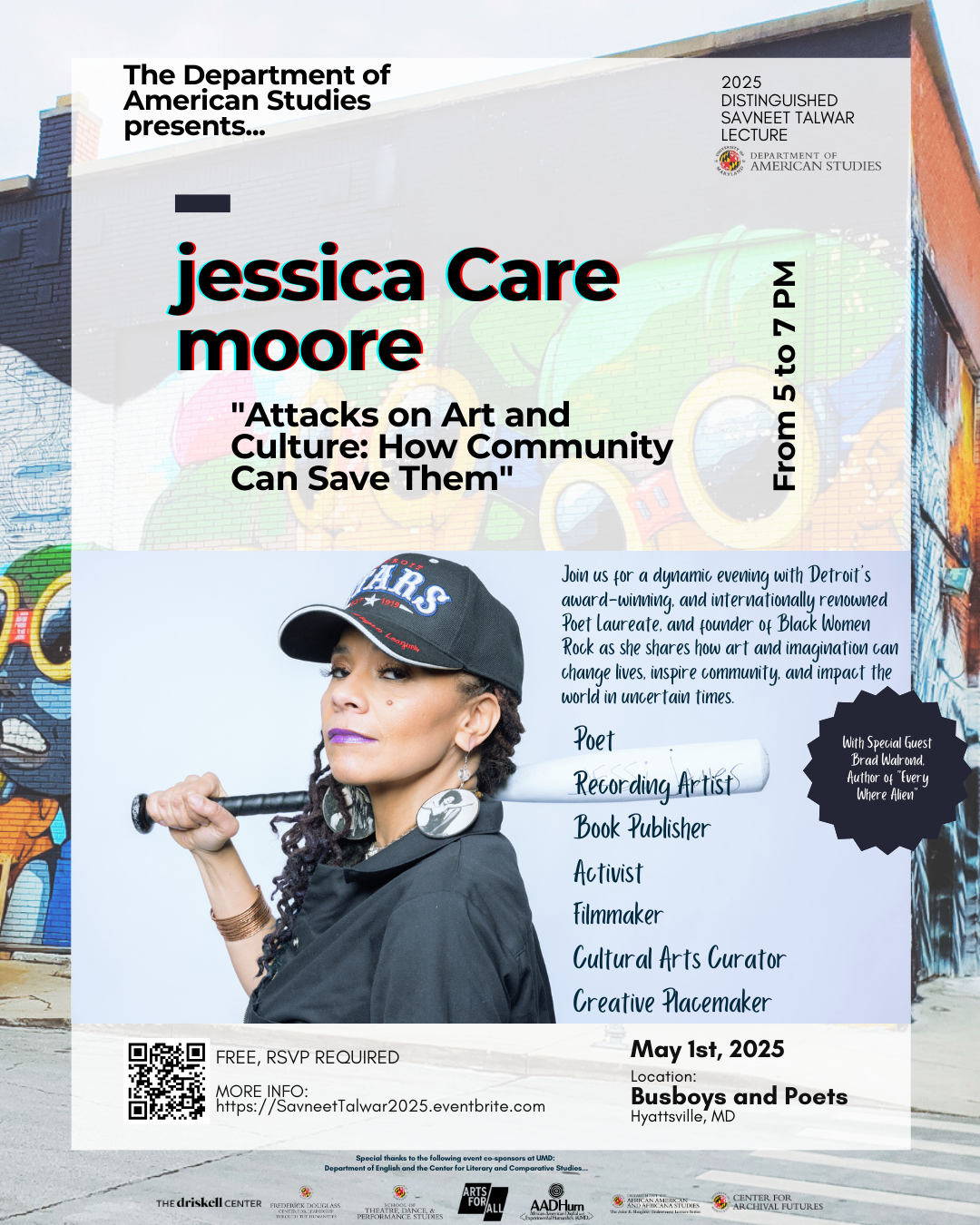
May 1st Event: Attacks on Art and Culture: How Community Can Save Them
Please note: No prior Wikipedia or Wikidata editing experience is necessary. Training will be provided.
Please fill out this quick Google Form to RSVP for lunch and/or indicate your interest in Wikipedia or Wikidata: Click here
Additional Event preparation
Laptops are required. Please bring your own. Please create a Wikipedia account prior to the event.
Please read or refresh on the following:
This event is a collaborative effort hosted by several institutions, including:
Abstract:
The creation of community archives was central to the birth of Asian American studies. These archives are labors of love, and usually the work of a small number of volunteers. Sustainability is an ongoing challenge for community archives, and this includes funding, finding willing and suitable successors, getting trained in archiving an ever-increasing array of electronic records, and changing community needs and desires. As Asian American Studies became established in academia over the past half century, many university special collections and other mainstream archives have accessioned Asian American collections and undertaken oral history projects. In this environment, what roles do community archives need to play? Our panelists will explore this question from their perspectives of active and innovative preservers and activators of Asian American history.
Maria Day, Senior Director of Special Collections, Conservation, and Library Services at Maryland State Archives
Abstract:
A team from the Maryland State Archives has been building partnerships with Indigenous communities in the Chesapeake region since 2019.
From the program’s beginning, communities wanted archivists to provide easier access to historic government records concerning Native American peoples. At the same time, the archivists wanted to support communities in preserving their cultures and histories. Co-director of this program, Maria Day, will discuss how Tribal consultations during the Pandemic lead to the development of an online resource, Mayis, and a grant-funded initiative with Pocomoke Indian Nation member Drew Shuptar-Rayvis, to record oral histories with Tribal Knowledge-Keepers on the Eastern Shore. This community archiving initiative has led to expanding Indigenous resources for the general public and especially to educators. She will frame several future possibilities for expanding this work and highlight some of the challenges.
Bio:
Maria Day serves as the Senior Director of Special Collections, Conservation, and Library Services at Maryland State Archives, where she has worked as an archivist since 2008. In addition to overseeing daily operations in Special Collections and Conservation, she serves as co-director of the Indigenous Peoples’ Program. Prior to her work at the Archives, she was a museum educator and Director of Public Programs for Historic Annapolis and graduate lecturer in art history at the University of Maryland College Park. Ms. Day’s specialist areas include maps, prints, and artwork on paper; American history; and art, architecture and design from 1850-1950. She earned her degrees in the history of art at Indiana University Bloomington (BA, 1992), and at the University of Maryland College Park (MA, 2005).
Jimi Jones, Ph.D., scholar and researcher specializing in audiovisual preservation, digital archiving, and media technologies
Abstract:
The development and adoption of audiovisual preservation standards is as much a social process as a technical one. In this talk, Jimi Jones will explore key insights from The Future of Memory: A History of Lossless Format Standards in the Moving Image Archive, co-authored with Dr. Marek Jancovic, Assistant Professor of Media Studies at the Vrije Universiteit Amsterdam, which traces the rise of JPEG 2000, FFV1, MXF, and Matroska as emergent standards in digital archiving. Drawing on interviews with archivists, developers, and industry professionals, Jones will illuminate how preservation standards evolve—not merely through technological advancement but through negotiation, contestation, and collaboration among diverse stakeholders.
The talk will examine the shifting power dynamics in digital preservation, from the historical dominance of the film and broadcast industries to the increasing influence of archivists, open-source communities, and non-traditional players such as hackers and film pirates. By unpacking the complexities of standardization, Jones will offer a timely perspective on the challenges and opportunities facing audiovisual archives today. Attendees will gain a deeper understanding of the social forces shaping digital preservation and the future of access to audiovisual heritage.
Bio:
Jimi Jones, Ph.D., is a scholar and researcher specializing in audiovisual preservation, digital archiving, and media technologies. He is the co-author of The Future of Memory: A History of Lossless Format Standards in the Moving Image Archive, which examines the evolution of video preservation standards and the social dynamics shaping their adoption. Jones’s work explores the intersection of technology, policy, and archival practice, with a focus on open-source solutions and collaborative approaches to digital stewardship. He has worked closely with archivists, developers, and preservationists to document the shifting landscape of audiovisual heritage in the digital age. Jimi is currently working on research for his next book, which will be about horror hosts and their place in American television history.
Please join members of the Center for Archival Futures (CAFe), the INFO college community, ARHU community, and others across campus to transcribe documents in the Library of Congress By the People crowdsourcing project. Resulting transcriptions increase the accessibility of non-machine readable primary source materials.
Hosted annually on February 14, Frederick Douglass’ chosen birthday, we will join with people around the country and the world to learn about his life, work, and legacy, and the work of his contemporaries.
Presented by Rebecca Massey, Nicholas de Raet, Eleena Ghosh, Anna Gormbley, Frank Fiore, Andie Brynn Weaver.
Professor Angela Rodgers Koukoui
Course: INST 643: Digital Curation
INST 643 Curation in Cultural Institutions
An overview of the principles, practices, and current debates in managing, caring, and representing digital artifacts in libraries, archives, and museums.
Abstract:
“Good Evening Veronica Tyler” is a collaborative digital exhibition developed as part of the INST 643: Digital Curation course. This project explores the life and legacy of Veronica Tyler through a comprehensive digital collection curated and showcased on the Omeka platform. Reflecting the course’s focus on digital curation issues, metadata standards, and cultural heritage, the exhibition embodies the intersection of archival preservation and modern technology—link to website.
Over the semester, student teams tackled distinct but interconnected aspects of the project: project management, metadata development, digitization, and exhibit design. Guided by a structured timeline, students worked collaboratively to review and select archival materials, develop metadata standards, and craft compelling narratives that honor Veronica Tyler’s contributions. The project emphasizes hands-on experience with digital curation software and methodologies, aligning with the course’s emphasis on preparing students to navigate the challenges and opportunities of the evolving cultural heritage landscape.
The exhibition culminated in the public launch on December 3, 2024, of a fully functional and user-friendly digital archive that preserves Veronica Tyler’s story and engages audiences in a meaningful exploration of her impact. This presentation highlights the project’s methodologies, key achievements, and reflections on the collaborative curation process, underscoring the importance of digital curation in preserving cultural legacies for future generations. Link to Website
Wiki page: https://en.wikipedia.org/wiki/Wikipedia:Meetup/DC/FAIRly_Obscure_Anthropology_Edit-a-thon
Presented by:
The University of Maryland Center for Archival Futures, the National Anthropological Archives, Smithsonian Institution; George Washington University’s Center for the Advanced Study of Human Paleobiology; The Bentley Historical Library and University of Michigan School of Information; the University of Missouri’s College of Information Studies; and the Council for the Preservation of Anthropological Records (CoPAR), and Wikimedia DC.
Event description
Are you interested in the history of anthropology? In archival description, outreach, and linked data? In FAIR and CARE principles for social science and scientific information? Join a co-sponsored edit-a-thon event to support the ethical description of anthropological knowledge and anthropological records focused on reworking and expanding related Wikipedia and Wikidata entries. This edit-a-thon will focus on editing, adding, and checking information on these publicly available and publicly maintained databases relating to anthropologists and anthropology. Interested audience may include community members, anthropologists, graduate students in anthropology, graduate students in information science, linked data nerds, and others!
No Wikipedia editing experience necessary. Opening ceremonial event will begin at 11:30am. Training will be provided, taking place 12pm to 1:00pm (Eastern time). Open editing time will run from 1:00pm to 4:00pm (Eastern time). At 2:30pm we will have a Wikidata demo. If you’ve never edited before, please plan to attend the training session.
Abstract:
Explore the Tugwell Collection with Community Archives seminar students featuring highlights and tours of the Tugwell Collection. Light refreshments will be provided. This program is presented in collaboration with University of Maryland College of Information (INFO) and Center for Archival Futures (CAFe). Refreshments for this program are provided by the Friends of the Greenbelt Library.
Anna Kijas, Assistant Director of Digital Scholarship, Head of the Lilly Music Library, Tufts University
Abstract:
Russia’s invasion of Ukraine on February 24, 2022 was a wake-up call for cultural heritage professionals worldwide. For several decades, cultural institutions have engaged in digitization of cultural artifacts, in light of the invasion, however, it became clear that the servers on which these digital objects are stored are as vulnerable as the buildings which house the analog originals. Saving Ukrainian Cultural Heritage Online (SUCHO) is a global grassroots initiative of more than 1,500 volunteers which formed as a response to the invasion to support the digital preservation of Ukrainian cultural heritage. SUCHO began as an emergency web-archiving effort, preserving more than 50TB of cultural data from over 5,000 websites of Ukrainian museums, libraries, and archives.
In this talk, Anna Kijas, co-founder of SUCHO, will share the story of SUCHO and explore how this initiative drew together a community of activists with a shared vision of ensuring that digitized and born-digital cultural heritage is pre-emptively protected in the future. She will focus on how SUCHO centered community and care, promoted collaboration, and developed relationships with Ukrainian institutions and cultural heritage professionals. Much as World War II laid the groundwork for robust cultural heritage protection organizations that still operate today, the global cultural heritage community can learn from the invasion of Ukraine to plan for a more resilient future for digital cultural heritage protection that centers concepts of community and care.
Bio:
Anna Kijas is Assistant Director of Digital Scholarship and Head of the Lilly Music Library at Tufts University. She is a co-founder of Saving Ukrainian Cultural Heritage Online (SUCHO), an initiative focused on safeguarding and preserving the digital cultural heritage of Ukraine during the Russo-Ukrainian War. Her research interests include exploring the affordances and application of digital humanities tools and methods in historical (music) research, the application of standards, including TEI and MEI, for open access research and publishing, and the use of minimal computing. Anna also researches and writes about nineteenth century music topics with a focus on gender, women, and performance criticism and reception. Her publications include a book entitled The Life and Music of Teresa Carreño (1853-1917): A Guide to Research, and open-access projects, including Documenting Teresa Carreño centered around Carreño’s performance career (1863-1917) and Rebalancing the Music Canon that aims to make musical works by historically marginalized and un(der)-represented people more discoverable, decenter the musical canon, and make data-driven music scholarship more diverse and inclusive. Anna is currently the Administrative Chair of the Music Encoding Initiative (MEI) and during 2019-2023 she served as an Executive Council Representative of the Association for Computers and the Humanities (ACH). Her work and contributions have been recognized with awards including the A. Ralph Papakhian Special Achievement Award (MLA), European Heritage Award / Europa Nostra Award 2023, Society of American Archivists Council Resolution, Walter Gerboth Award (MLA), as well as intramural awards and grants.
Corey Lewis, Assistant State Archivist, Maryland State Archives
Abstract:
Community archives are crucial in preserving diverse groups’ cultural heritage and collective memory. Corey Lewis, the Maryland Assistant State Archivist, has been a driving force in these efforts for the past twenty years. His expertise in archival practices, digitization, and community engagement has significantly impacted the field. His work with the Community Archives Initiatives has been particularly noteworthy, focusing on democratizing access to historical records, empowering underrepresented communities to tell their stories, and fostering a sense of identity and continuity.
On this month’s first Wednesday of the CAFe series, Corey Lewis will share his experiences and insights on community-centered archival practices. He will explore how integrating traditional archival methods with modern digital technologies can create innovative approaches to safeguarding the past while making it accessible to future generations. Corey will discuss the importance of inclusive, participatory archives and highlight how these efforts can reflect the rich, multifaceted history of Maryland’s diverse communities. This event is a unique opportunity to learn more about the lasting impact of community archives on the preservation and accessibility of cultural heritage.
Bio:
Corey A. Lewis is a distinguished leader in archiving and currently serves as the Assistant State Archivist at the Maryland State Archives. In his role, Corey oversees the information, appraisal, and digitization operations while acting as a liaison for information technology. Since joining the archives in 1999, Corey has gained extensive experience in imaging and digitization. His deep knowledge and expertise have been instrumental in advancing the technological capabilities of the archives, particularly in digitization operations and the development of electronic archives. Throughout his career, Corey has championed initiatives focused on enhancing access, improving efficiency, and fostering partnerships. His leadership has recently enabled the Maryland State Archives to collaborate successfully on several projects with community archives. Corey’s dedication to diversity, equity, inclusion, and accessibility was recognized last year when he received the Gertrude Makell Award for Programming. This year, he has been honored with the Victoria Walch Irons Emerging Leader Award from the Council of State Archivists, further acknowledging his outstanding contributions to the archival profession.
Abstract:
The Center for Archival Futures (CAFe) invites you to participate in a Remix-a-thon featuring the Library of Congress’s Citizen DJ project. Citizen DJ is a groundbreaking initiative that allows the public to explore and remix thousands of free-to-use sound recordings from the Library’s vast audiovisual collections. In this hands-on event, project creator Brian Foo will discuss the creative potential of the project and guide participants through the process of remixing and creating new works using the platform. Whether you choose to work individually or collaboratively, this event offers a unique opportunity to engage with historical sounds and generate original material. No prior experience is required—just bring your creativity! (And a laptop and headphones if you’ve got ‘em.)
Bio:
Brian Foo is an artist and computer scientist based in Washington, DC. His work focuses on making public resources like audiovisual collections, scientific datasets, and cultural objects more accessible and remixable through visualization, sonification, and play. He openly shares his creative and technical processes, along with tools for others to use and adapt. He is currently a Senior Innovation Technologist at the Library of Congress’s Digital Innovation Division, where he explores innovative uses of the Library’s content and services.
Jaime Mears is a senior innovation specialist for the Library of Congress Labs, where she supports research and experiments to better connect the Library to all Americans. She leads the Innovator in Residence program, a creative research residency for technologists and artists. In her previous role as a national digital stewardship resident, Jaime created the Memory Lab at DC Public Library, now an IMLS-funded national program to support personal archiving at public libraries. Jaime holds a master’s in library science from the University of Maryland iSchool.
Trevor Owens, Chief Research Officer, American Institute of Physics
Abstract:
Library and archives professionals often take collection centered mindsets to our work. Drawing on experience from two decades of work in digital history and cultural memory, Owens will discuss approaches to work with collections that cultivate and support personal connections and belonging. This will include discussion of key points from his recently published book After Disruption: A Future for Cultural Memory, in dialog with practical examples from his work as at the Library of Congress and the American Institute of Physics. He will show how ongoing work in libraries and archives can function as a context for action research to advance both theory and practice for how work with special collections can advance efforts in communities for equity, justice, and sustainability.
Bio:
Dr. Trevor Owens is a social scientist, historian, librarian, and archivist working to deepen the positive impact of mission driven organizations on society through humanities and social science research. Owens serves as the first Chief Research Officer of the American Institute of Physics. In this role, he is charged with implementing and leading AIP’s new operational unit, AIP Research. This new interdisciplinary research-driven center of excellence brings together teams of librarians, archivists, historians, and social scientists to execute a research strategy and agenda focused on the interplay of the physical sciences, relevant public policy, and disciplinary cultures, with the goal of empowering positive change in the physical sciences enterprise. Owens previously worked as the Director of Digital Services at the Library of Congress and as a Senior Program Officer and Associate Deputy Director for Libraries at the United States Institute of Museum and Library Services (IMLS). Owens is the author of four books, the most recent of which, After Disruption: A Future for Cultural Memory was published by University of Michigan Press in Spring of 2024. His previous book, The Theory and Craft of Digital Preservation, was published by Johns Hopkins University Press in 2018 and has won outstanding publication awards from both the American Library Association and the Society of American Archivists. His research and writing have been featured in: Curator: The Museum Journal, Digital Humanities Quarterly, Science Communication, New Directions in Folklore, and American Libraries.
Doran Larson, Edward North Professor of Literature, Hamilton College
Abstract:
Archives commonly address the sustainable physical holding, digitization, and other ways of creating lasting, accessible repositories of documentation of past and concluded events, albeit often ones with continuing contemporary relevance (e.g. the Tulsa Race Riot).
The American Prison Writing Archive (APWA) is a growing archive of nearly 4,000 non-fiction essays and poems by people currently incarcerated in the U.S. and since 2009. Fully searchable by author demographics, states, and key words, the APWA receives between 40-100 new written testimonials to prison conditions and experience each month.
This talk, by the APWA’s founder and current co-director, will address the stakes and potential of the APWA (and like projects) and the urgency of seeing acts of witness to current instances of state-sponsored violence, neglect, gross incompetence, and willful deprivation brought into public venues in a timely fashion. Fully aware of the hazards for both the witnesses and for their facilitators, and with sharp attention to the need for ethical, non-extractive protocols and practices, this paper will argue that the urgency to respond to first-person witness’s aspirations to get their work before the public should not be less than what we might expect from outlets and platforms for those serving first-person witnesses to active war zones—witnesses, that is, who write from desperation both in their current conditions and in their need to move public opinion, direct action, and intervention in ongoing (criminal) abuse and neglect.
The talk will cover the history of the APWA, its potential to move hearts and minds, and—due to this potential—the need to see prison witness disseminated both carefully and expeditiously.
Bio:
Doran Larson is Edward North Professor of Literature at Hamilton College. He led a writing workshop inside Attica Correctional Facility from 2006 to 2016. He is the founding organizer of the AA-degree granting Attica-Genesee Teaching Project, and of the award-winning AA-degree granting Hamilton-Herkimer College College-in-Prison Program at Mohawk and Mid-State Correctional Facilities. He is the author of Witness in the Era of Mass Incarceration: Discovering the Ethical Prison (2017). He is the editor of Fourth City: Essays from the Prison in America (2014), the largest print collection to date of non-fiction essays by currently incarcerated people writing about their experience inside. He founded and now co-directs The American Prison Writing Archive, a Mellon-funded and fully searchable digital archive of over five million words of first-person prison witness. His new book, Inside Knowledge: Incarcerated People on the Failures of the American Prison, was published by NYU Press in January.
Description: Join us for our Fall Faculty Research Showcase! Watch faculty present exciting updates on their ongoing projects. Get a chance to see current research initiatives developing innovative approaches and emerging trends. Swing by for a chance to connect over common interests!
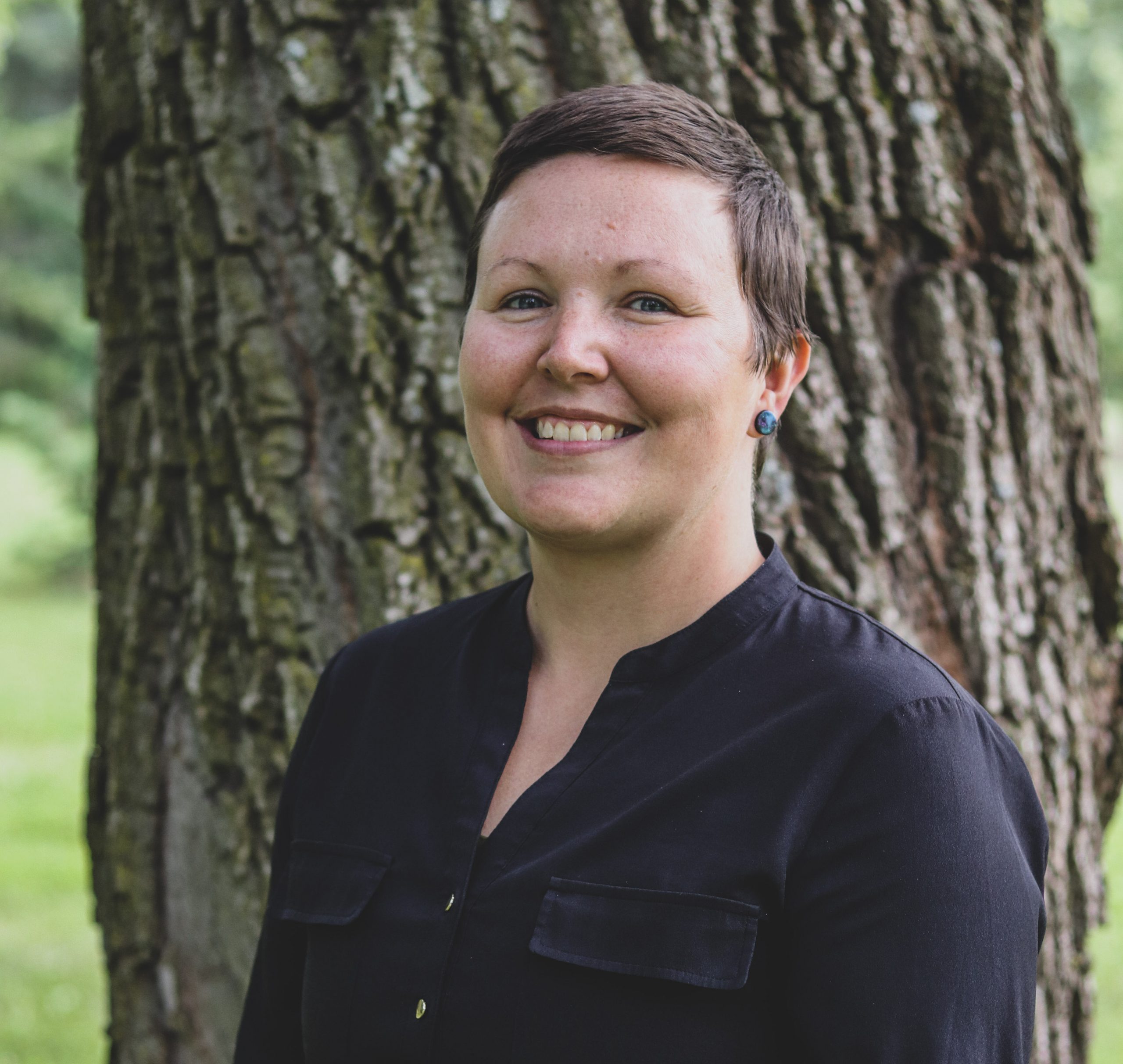
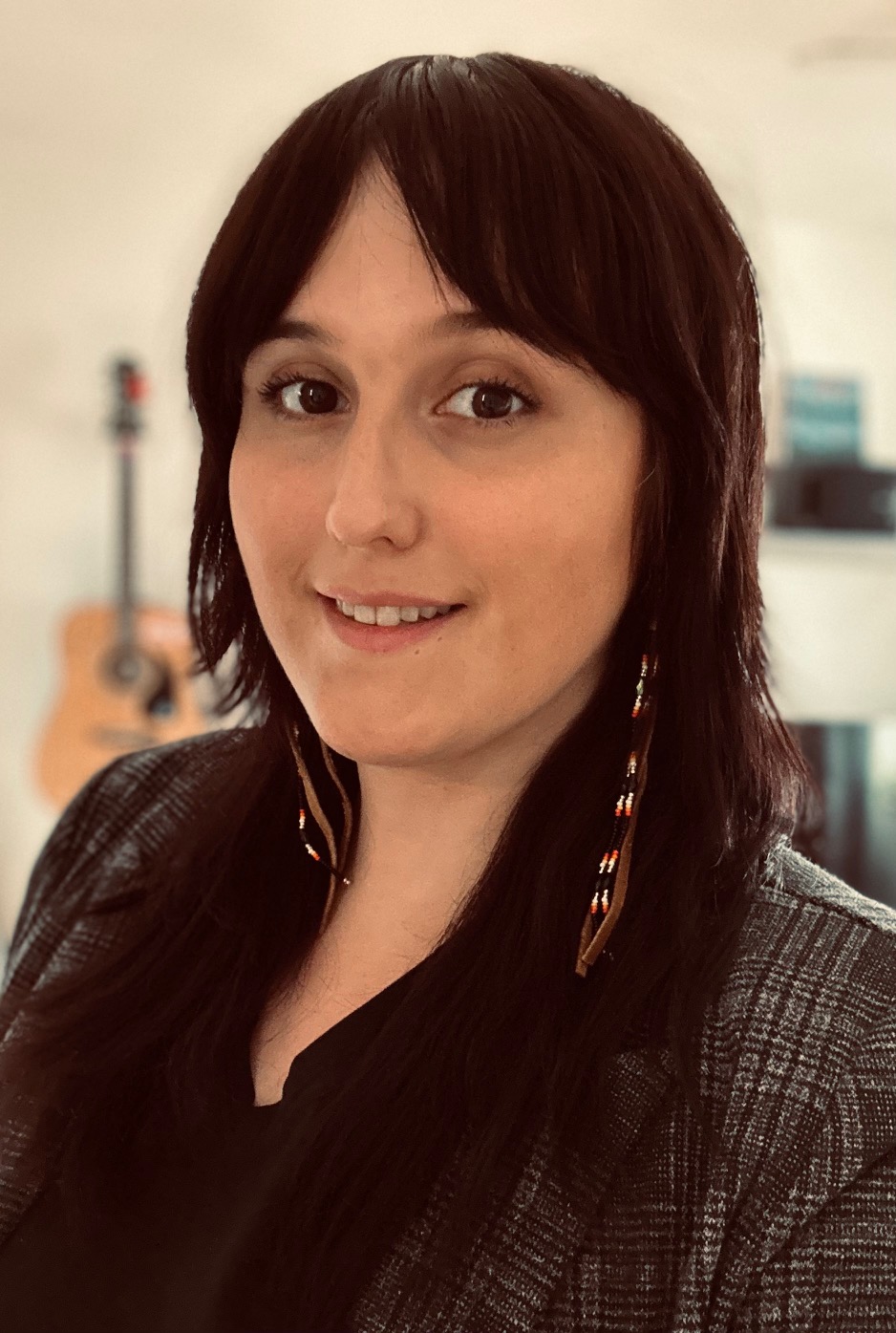
Krista McCracken (Left), Award-winning public historian and Archivist
Skylee-Storm Hogan-Stacey (Right), Historian, Author, and Research Analyst
Abstract:
Drawing on their recent book, Decolonial Archival Futures, Hogan-Stacey and McCracken will discuss unsettling Western archival practices within Canada, the United States, New Zealand, and Australia. This presentation highlights the transformative potential of decolonization within archival practices through practical examples, with an emphasis on envisioning decolonial possibilities that are Indigenous-led and community-driven. Drawing on their personal experiences, the speakers will highlight the complexities of challenging colonial narratives embedded in archival processes. Through critical analysis and practical examples, McCracken and Hogan-Stacey share insights into incorporating Indigenous perspectives, methodologies, and voices in archival work.
Bios:
Krista McCracken: Krista McCracken is an award-winning public historian and archivist. They work as a Researchers/Curator at Algoma University’s Arthur A. Wishart Library and Shingwauk Residential Schools Centre, in Baawating (Sault Ste. Marie, Ontario) on the traditional territory of the Anishinaabe and Métis people. Krista’s research focuses on community archives, Residential Schools, access, and outreach. In 2020, they won the Best Article in Indigenous History prize awarded by the Canadian Historical Association’s Indigenous History Group for their article “Challenging Colonial Spaces: Reconciliation and Decolonizing Work in Canada’s Archives.”
Skylee-Storm: Skylee-Storm Hogan-Stacey is a historian, author, and research analyst currently living and working on the unceded territory of the Algonquin Anishinaabek in Ottawa, Ontario. A descendant of the Mohawk Nation of Kahnawà:ke, Skylee-Storm has explored community archival practices, Indigenous archival access, Residential School history, Indigenous-Crown legal history, and oral history. Since 2019, Skylee-Storm has worked with Know History Historical Services as a research historian in their Ottawa office.Skylee-Storm began their work unpacking and understanding Indigenous archivy when they joined the Shingwauk Residential Schools Centre in 2015. She has remained a collaborator with the Centre on projects related to community archives and site history. Skylee-Storm completed a rewrite of the Ontario Provincial Heritage Program plaque for Shingwauk Hall in 2022. After working with the Shingwauk Residential Schools Centre, Skylee-Storm has become an advocate for critiquing archival power dynamics and settler Canadian historical narratives. Their forthcoming book with Krista McCracken, Decolonial Archival Futures, continues this work.Skylee-Storm is currently on an interchange assignment with the office of the Independent Special Interlocutor for Missing Children and Unmarked Graves and Burial Sites associated with Indian Residential Schools, as a policy analyst focused on archives and Indigenous data sovereignty.
Jwan Khisro, postdoctoral researcher, College of Information Studies, University of Maryland.
Abstract:
There is a need for a better understanding of equity perspective in public access to research results, accelerates discovery, promotes collaboration, fosters public trust and innovation, and provides opportunities for all to participate in research. It is vital to ensure that science and research benefit everyone. Answering the call from the Office of Science and Technology Policy (OSTP) to ensure Free, Immediate, and Equitable Access to Federally Funded Research. Equity in public access to research results is the subject of this study and is currently in development by a collaborative team based at the University of Maryland, College Park. Therefore, this study aims to improve understanding of equitable access to federally funded research results. By enquiring the following research question: how federally funded research results can be equitably accessible to the public. The study employs a qualitative approach with an interpretative case study method.
Bio:
Jwan Khisro is a postdoctoral researcher at the College of Information Studies, University of Maryland. The primary goal of Jwan’s postdoctoral research is to contribute to and advance digital government practices and policies research agenda by focusing on two research areas 1) Equity perspective in public access to research results and 2) AI in digital government. Jwan conducts her research and collaborates with the USDA, and National Agricultural Library on implementing federal, agency, and departmental policies related to public access to federally funded research. She earned her PhD in informatics at the Department of Applied IT, University of Gothenburg, Sweden 2022. She also earned a Licentiate degree in informatics at the Department of Information Systems and Technology (IST), Mid Sweden University 2019 following a master’s degree in informatics, University of Gothenburg, 2013. Jwan’s research focuses on multidisciplinary fields studying the Constraints of digital transformation in the public sector from various perspectives such as IT Governance, investment budget, and digital infrastructure. Jwan’s work has appeared in academic journals such as the Enterprise Information Systems Journal and the Transforming Government: People, Process, and Policy. She regularly presents her research at top information systems conferences including AMCIS, EGOV, and HICSS.
Jamie A. Lee, Associate Dean for Faculty Affairs and Associate Professor Digital Culture, Information, and Society at the School of Information, University of Arizona
Abstract:
Shifting archival approaches from “product to process” and “record to people” require radical inquiries into the archival practices of description and the expediency of such labor, especially in the digitally-mediated realm of virtual repositories. I consider stereotypes and the ways they function to fix notions of personhood in archival contexts and make expediency even possible. Moving from assumptions of fixity, I will explore the ambivalence of the un-fixed and the unfixable in the digital realm. Considering archives — both physical and digital — then, as fixed materials holds people and their shifting identities captive through their own archival records. Rather than the assumed certainties that stereotypes can inspire and that fixed archival records seemingly confirm, I look to the role of archival ambivalence in making room for complex personhood in the re-imagining description practices through digital archives. Centering the P. Carl Transitional Eyewear eyeglass collection (28 pairs of glasses that span over three decades) as a distinct site for interrogating the paradoxical notion of fixity, I challenge the concept and practice of stereotype through their own (un)becoming subjectivities. In considering the shifting subject that comes into view with each new pair of eyeglasses, Avery Gordon’s concept of complex personhood is elucidated as a theoretical statement that animates archival understandings of people as living complicated, dynamic lives that cannot be captured and viewed as forever fixed and unchanging. Through engaging the potentials of digitality, I will explore complex personhood as a creative tool to address the complicated and complex cultural imaginings, affective experiences, multi-perspectival voices, and animated and embodied objects that trace power’s presence in the archives. This presentation is meant as a playful unsettling through the ambivalences that a focus on the unfixed reveals.
Bio:
Jamie A. Lee is Associate Dean for Faculty Affairs and Associate Professor Digital Culture, Information, and Society at the School of Information, University of Arizona. They are scholar, activist, filmmaker, archivist, and oral historian. They founded and direct the Arizona Queer Archives where they train community members on facilitating oral history interviews and building collections in and with their own communities. With storytelling at the heart of their life’s work, Lee also directs the Digital Storytelling & Oral History Lab and co-founded the Critical Archives and Curation Collaborative, the co/lab, through which they collaborate on such storytelling projects as secrets of the agave: a Climate Justice Storytelling Project, and the Climate Alliance Mapping Project, CAMP. Lee’s 2021 book, Producing the Archival Body, engages storytelling to re-consider how archives are defined, understood, deployed, and accessed to produce subjects. Arguing that archives and bodies are mutually constitutive and developing a keen focus on the body and embodiment alongside archival theory, Lee introduces new understandings of archival bodies that interrogate how power circulates in archival contexts in order to build critical understandings of how deeply archives shape the production of knowledges and human subjectivities. For more on Lee’s projects, visit www.thestorytellinglab.io.
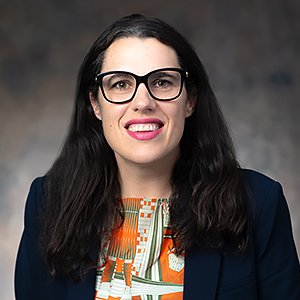
Megan Finn, Associate Professor, American University, Communication Studies, Washington DC
Abstract:
The United States’ science data policy has landed in a weird place. Data management plans are now required on federal grants – this is the most significant recent open science data law in the US. There are several reasons given in various administrative rules for more access to and transparency around research data including equity, research replicability, projecting the superiority of American science, ensuring the return on investment to taxpayers, incentivizing better research data management, legitimizing a future for data science and data-driven research, and enhancing the quality of science. Some of these justifications are contradictory and none of these justifications make it obvious that data management plans would be the best mechanism for ensuring science data transparency in federally funded research. This paper asks, how did the US end up with “data management plans” as a requirement? And, if we take data management plans seriously, what do these plans tell us about the future of science data? I will first examine data management plan requirements for science researchers in the US (particularly the National Science Foundation). Next, I will look at what the data management plans themselves say, drawing from my research team’s corpus of nearly 1000 data management plans from funded projects. I will offer different approaches to reading data management plans: as scientific furniture, as instruments for accessing funding, as evidence of the neoliberalization of science, as a process document for scientific knowledge production and institutional coordination, as a fantasy document, as instructions for the future, aligning temporalities, and as part of the institutionalization of data-oriented science. By sharing findings about the purposes and premises of planning for data management we argue they are an important vehicle for the project of open science.
Bio:
I have a number of research projects which are historical and contemporary empirical studies of responsible computing and data governance. My work examines relations among policies, infrastructures, and practices in the production, circulation, and use of data and information. I examine these themes in a book, called Documenting Aftermath: Information Infrastructures in the Wake of Disasters, with MIT Press (October 2018). The book is an examination of how changing public information infrastructures shaped people’s experience of earthquakes in Northern California in 1868, 1906, and 1989 followed by an analysis of the institutions, policies, and technologies that shape today’s postdisaster information landscape. I argue that information orders—complex constellations of institutions, technologies, and practices—influence how we act in, experience, and document events. What I term event epistemologies, constituted both by historical documents and by researchers who study them, explain how information orders facilitate particular possibilities for knowledge.
Before moving to SOC at AU, I was a professor at University of Washington’s Information School. I was a faculty member of the DataLab at the INFO College, and an affiliate of the UW’s eScience Institute, where, as a part of the Data Science Studies group, I co-convened a talk series, “Data Then and Now” from 2019-2021. I was an advisor with my university’s Science, Technology and Society Studies (STSS) program where I have been lucky enough to advise incredible students from Forestry, Law, and Urban Planning. I was lucky enough to supervise Meg Young, now a researcher at Data and Society.
In 2022-2023 I was a visiting scholar at UC Berkeley’s Center for Science, Technology, Medicine, and Society and Stanford’s Department of Communication and HAI. In 2021-22 I was a Lenore Annenberg and Wallis Annenberg Fellowship in Communication at the Center for Advanced Study in the Behavioral Sciences at Stanford University. From 2012-2014 I spent two wonderful years as a Postdoctoral Researcher at Microsoft Research New England in Cambridge, MA with the Social Media Research Group.
Douglass Day is an international hybrid event hosted and streamed by Penn State University each year on February 14th, Douglass’ chosen birthday, to celebrate Black history through a transcribe-a-thon and birthday cake bake-off. CAFe is partnering with the Driskell Center, STAMP, BCaT Lab, and scholars in the Michelle Smith Collaboratory for Visual Culture in the Department of Art History and Archaeology at UMD to host a Douglass Day transcribathon event with food and fun on February 14th. Show off your baking skills by bringing a birthday cake to share.
On Douglass Day, participants will learn how to transcribe handwritten items in the general correspondence of Frederick Douglass. These papers are held at the Library of Congress in Washington, DC, and have been made digitally available for transcription through the By the People virtual volunteering project. Comprised of 8,731 pages, this collection provides insight into Douglass’ social and political life through his exchanges with family, friends, activists, politicians, and others between 1841 and 1912. Transcribing these materials ensures resources on specific people and events are made more robust, and thus more discoverable and accessible; it also brings those who are interested in history together to learn more about a common theme. These letters will provide rich insight into the life and work of Frederick Douglass that are not yet widely accessible.
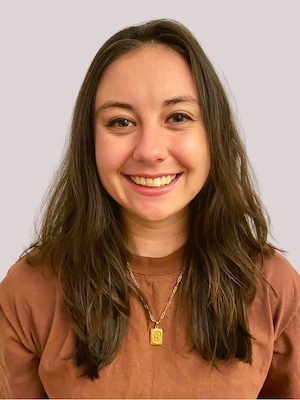
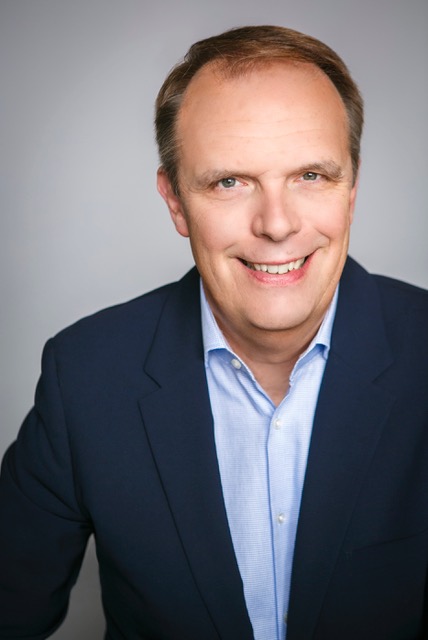
Helena Arose (Left) , Director of Programs at the Antiquities Coalition
Peter Herdrich (Right), Co-founder of the Antiquities Coalition
Abstract:
From first-hand experience of an active case-study of digitizing at-risk libraries and heritage collections with communities in Iraq, Helena and Peter will discuss opportunities, challenges and best practices for establishing community-led digitization projects, as well as lessons learned about the wider benefits of digitization and cultural heritage protection in Iraq.
Bio:
Helena Arose
Helena Arose serves as the Director of Programs at the Antiquities Coalition. In this role, she closely collaborates with representatives from the U.S. and international governments, law enforcement agencies, international partners, academics, and other key stakeholder groups to develop and implement programs to fight the illicit trade in ancient art and antiquities.
Helena plays a critical role in advancing the AC’s mission by leading key research projects and publications, and also developing and managing popular online educational resources including interactive maps, timelines, and campaigns. She has organized and coordinated both in-person and virtual programs with world-renowned experts on topics pertaining to antiquities and cultural heritage. In addition, she helps edit and publish the Antiquities Coalition’s award-winning Think Tank Policy Brief series.
Helena conducts in-depth research on antiquities looting and trafficking, cultural heritage diplomacy and protection, and financial crimes and the art market. In addition, she has authored several publications for the AC and academic outlets. She also serves as an expert on topics related to cultural racketeering, speaking widely on these issues for academic, government, and general audiences.
Prior to this role, Helena served as Research Associate and Project Director at the AC. Before joining the organization, Helena worked as a Collections Specialist for the City of Raleigh Historic Resources and Museum Program, where she gained experience working in museums and collections.
Helena graduated from the University of Glasgow in 2018 with a MSc in Art History: Collecting and Provenance in an International Context. An archaeologist by training, she holds a BA in Archaeology from Johns Hopkins University, and has participated in archaeological excavations in Athienou, Cyprus, and in North Carolina.
Peter Herdrich
Peter Herdrich is the Co-founder of the Antiquities Coalition (AC), where he directs strategic digital cultural heritage projects. He currently works with religious minority communities in Iraq on digitization of tangible and intangible cultural heritage, digital infrastructure, and education. His partners include his project Co-director Helena Arose of the Antiquities Coalition, Britney Bibeault, the AC’s first Digital Cultural Heritage Fellow and University of Maryland College of Information PhD student, and the University of Maryland College of Information Assistant Professor Victoria Van Hyning. Their work is funded by the Unites States Agency for International Development.
Herdrich also directs projects with the Algerian Ministry of Culture and Arts. These include an on-going three-year project with the AC, the Egyptian Heritage Rescue Foundation, and the Council on Library and Information Resources (CLIR) on digital infrastructure and anti-looting efforts. Also, with the CLIR team, he built the first functional digital library in Iraq at the Kurdish Heritage Institute in Sulaymaniyah, conducted an emergency digitization and documentation project at the National Museum in Aden, Yemen, and initiated the Digital Library of the Middle East project with Dr. Charles Henry. He sincerely thanks all the generous funders, supporters, and partners who have made this work possible.
As the Chief Executive Officer of the Cultural Capital Group, he consults with clients across the cultural heritage, communications, and library sectors. He formerly served as CEO of the Archaeological Institute of America and publisher of Archeology magazine and is a graduate of Columbia University.
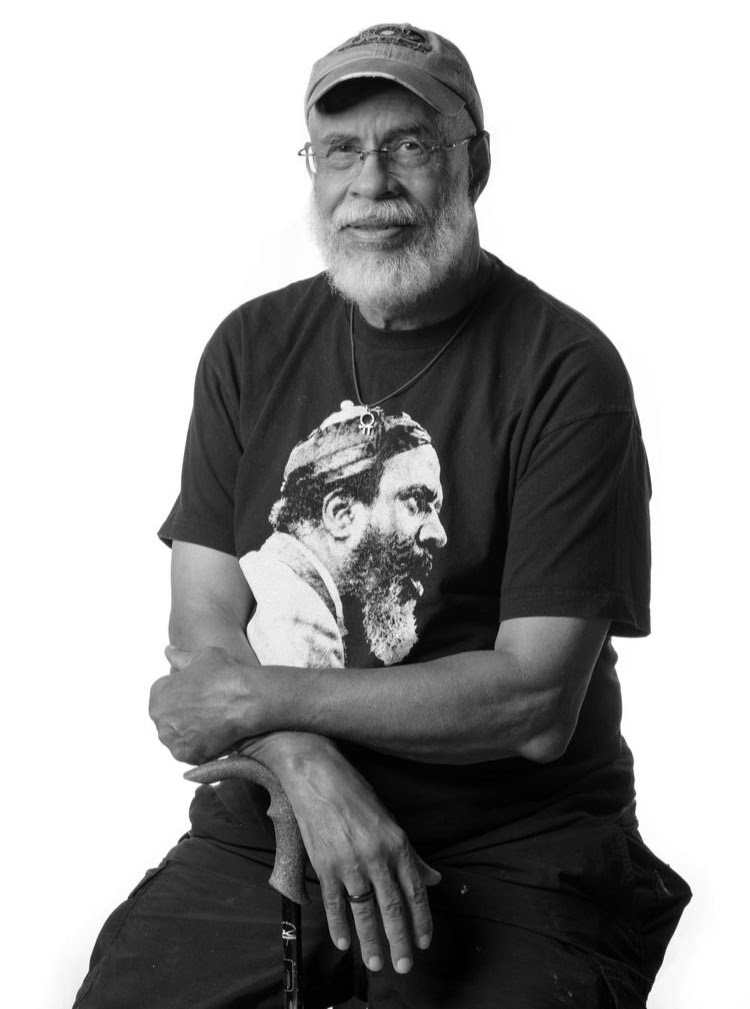
Alonzo Davis, Artist, gallery owner, professor, and activist
The Alonzo Davis Collection documents the career of artist, gallery owner, professor, and activist Alonzo Davis (b.1942). Join us to celebrate research and a virtual exhibition by students from the University of Maryland’s I-School.
Presentations will be followed by a reception at 7:00pm.
Loren Mixion, Academic Engagement and Outreach Librarian at Coastal Carolina University
Lisa Warwick, Manager of The People’s Archive at DC Public Library
Sharaya Olmeda, Reference librarian and zine maker at Allan Hancock College in Santa Maria, California
Britt Starr, PhD graduate from the University of Maryland
Abstract:
Zines, fanzines, and minicomics are fun and fascinating objects that come in many forms and express diverse ideas to a bigger audience. They can communicate everything from a love for a band to advocating for radical political and social change. Zines are a diverse form of artistic expression, passion, fandom, education, and resistance. Today, you can purchase zines in local bookstores and record shops, find them online, or find them in public spaces. They are also objects that are fascinating for librarians and archivists to collect, preserve, and digitize.
In this panel discussion, we will be hearing from four cultural heritage practitioners, educators, and creators on the opportunities and difficulties of working with zines. Our panelists will share insights into their work with zines and their thoughts on zines as objects of artistic and cultural heritage importance. The panel event will include a live demonstration of creating a simple zine (bring some paper and your favorite pair of scissors!), a moderated panel discussion, and a Q&A session with our panelists.
Bio:
Loren Mixon
Loren Mixon is the Academic Engagement and Outreach Librarian at Coastal Carolina University. Prior to joining librarianship, they were a high school educator. Throughout their career, their focus has been on connection with others and relationship and community building. Their research interest are feminist pedagogy, librarian labor, and critical librarianship.
Lisa Warwick
Lisa Warwick is the Manager of The People’s Archive at DC Public Library. Lisa worked in academic and specialty research libraries, including the University of Maryland and Dumbarton Oaks Research Library, before coming to the DC Public Library in 2013. Managing The People’s Archive combines her love of old paper smell with serving the public. Lisa’s professional passion is making information easily accessible to users.
She holds her M.A. in Information Science from the University of Maryland and a B.A. in Film Studies from the University of Pittsburgh. Outside of work, she enjoys cooking, biking, and reading at home with her cat, Bruce.
Sharaya Olmeda
Sharaya Olmeda is a reference librarian and zine maker at Allan Hancock College in Santa Maria, California. She graduated Summa Cum Laude with her Master in Library Information Science degree from San Jose State University. Sharaya began her career in librarianship at the California Men’s Colony State Prison, where she worked as a Senior Librarian until 2023. In 2021, as a means to improve access and services in carceral libraries, Sharaya joined the ALA Standards for Library Services for the Incarcerated or Detained Work Group where she chaired the Drafting committee and served as a Project Manager; responsible for leading a complete revision of the Standards, which will be published in 2024. Sharaya teaches Prison Library Services at Cuesta College and is currently a Counselor at Large, Planning and Budget committee member, and LGBTQ Taskforce member with the American Library Association where she was elected to serve until 2025. She has created and led zine workshops about mental health and is passionate about making space for underrepresented voices and experiences.
Britt Starr
Dr. Britt Starr (she/her) is a recent graduate from the University of Maryland with a PhD in rhetoric and graduate certificates in women’s, gender, and sexuality studies and digital studies. During her doctorate, Britt helped build the English department’s BookLab, a makerspace, letterpress printing studio, library, and center for the book arts. As a graduate assistant with BookLab, Britt founded “ZineClub” to share the personally and politically transformative medium of zines in monthly, informal gatherings open to the UMD community and beyond. Britt has regularly incorporated zines and zine-making in her pedagogy and is currently teaching rhetoric and composition at Baltimore City Community College.
Dorothy Berry, Inaugural Digital Curator, The National Museum of African American History and Culture.
Abstract:
At the surface level, at the very least, the archival profession has moved towards an increased focus on marginalized and otherwise ignored voices within special collections. The excitement around this move has often focused on amorphous “community” engagement and “reparative description,” but with far less clarity on who compromises relevant communities and who created the initial description in need of repair.
This talk will explore ideas around centering the voices and experiences of the archival subjects in historical collections, particularly those marginalized subjects who have no contemporary community. There are a variety of instances in the profession where there are multiple right answers, and this talk makes no claim on absolutism. Through a combination of historical research and working experience, this talk will open discussion on how and who archives serve.
Bio:
Dorothy Berry is the inaugural Digital Curator for the National Museum of African American History and Culture. A Library Journal “Mover and Shaker” and winner of the Mark A. Greene “Emerging Leader” award from the Society of American Archivists, Berry has established a reputation as a leading thinker around the discoverability of Black special collections. Berry’s work has primarily approached the question of discoverability through the lens of archival description, digital collection development, and digital storytelling. Berry is an active member of the profession, serving on advisory boards for projects as wide-ranging as The Wheatley Census, designed to provide a bibliographic map of Phillis Wheatley-Peters first publication, and Archiving the Black Web, designed to put the power of digital preservation in the hands of Black creators. Beyond digital collections and projects developed at various institutions, her published work can be found in up//root, Lapham’s Quarterly, JSTOR Daily, and The Public Domain Review, where she is a contributing editor.
Ben Brumfield (Left), Co-founder and Director of From The Page
Sara Brumfield (Right), Co-founder and Director of From The Page
Abstract:
AI is here, but how it will change archives and the work of archivists is still unclear.
Your speakers are the creators of FromThePage, a crowdsourcing & collaboration platform for transcription and metadata enhancement. Enthusiastic technologists, they have been exploring and experimenting with AI for years, but even more over the last year.
Bio:
Sara Brumfield is a partner at FromThePage, where she builds software and helps state and national archives, research groups, public libraries, and universities run crowdsourcing projects. Prior to FromThePage, Sara spent 17 years as a software engineer with IBM. She led development and support teams focused on system and network management products, serving as a focal point for large enterprise customers. She holds eight technical patents. She has a BA in Computer Science and the Study of Women and Gender from Rice University.
Ben Brumfield founded the cultural heritage crowdsourcing platform FromThePage in 2005 and has been covering developments within crowdsourced manuscript transcription since 2007. Over the past decade, FromThePage has been used by libraries, archives, and museums to transcribe material ranging from Arabic scientific manuscripts to Aztec codices. Prior to FromThePage, he spent eleven years leading software development teams building fundraising and constituent engagement solutions for non-profit clients at Convio, Inc. He has presented on the intersection of technology, crowd-sourcing, and digital editions at the American Historical Association, Society of Southwestern Archivists, Digital Humanities, the American Library Association and SXSW. He has a BA in Computer Science and Linguistics from Rice University.
Abstract:
Dr. Karybekova will discuss the challenges and opportunities of integrating Digital Humanities (DH) into Kyrgyzstan’s higher education linguistics curriculum. The Kyrgyz higher education curriculum is set by government officials in consultation with university representatives, making any changes to curriculum a long process and one that requires a lot of discussion and planning. This talk explores how interdisciplinarity might be successfully implemented in Kyrgyz linguistics departments by starting with pilot modules in existing courses, to gather information for an evidence-based discussion at the department and university levels in 2024-2025. The planned modules will draw on a combination of Dr Karybekova’s experience as a Fulbright scholar at the University of Maryland’s INFO College (2022-2023), her local knowledge, and that of her colleagues and students, their institutional realities at Manas University, and other cultural factors that impact curricular change. This talk will explore possible solutions to the problems related to the lack of infrastructure and experience of DH methods in Kyrgystan and Central Asia more broadly, and will suggest how changes to the curriculum would help Kyrgyz graduates keep pace with the changing world, support lifelong learning, integrate into the global market and prevent economic exclusion, radicalism, and labor migration.
Abstract:
Dr. Andrea Thomer, Assistant Professor at the University of Arizona School of Information, will discuss natural history data curation: the specimens, field notes, and other data stored in natural history collections can be crucial for studies of past and on-going climate change—but only if they can be transformed into computationally-ready datasets. In this talk, she will describe the CHANGES (Collections, Heterogenous data And Next Generation Ecological Synthesis) project, in which they are developing approaches to curate rich but under-utilized longitudinal datasets that are often stored in the archives of natural history collections and surveys. Working with over 100 years of archival records from the Michigan Institute for Fisheries Research, they used the Zooniverse community science platform to ask friendly strangers from the internet to help transcribe over 100,000 data cards. Extensive data curation is needed both before and after records are entered in Zooniverse; while they have developed some workflows that will likely be generalizable to similar projects, considerable curation “by hand” is still needed. They find that digitization reveals the human idiosyncrasies that inevitably shape any artifact created by many people over many years.
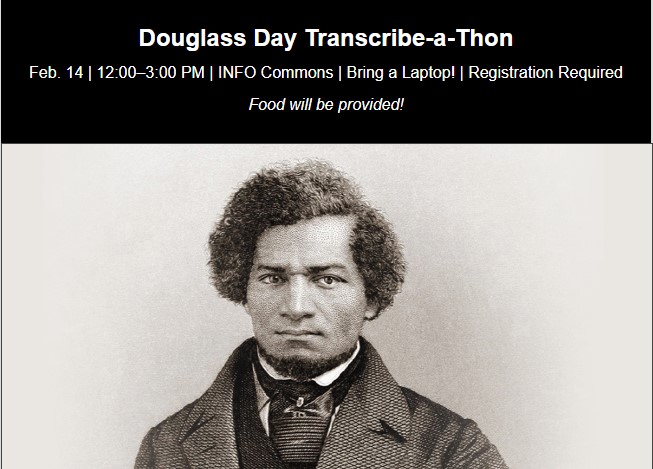
Event Start Date: Tuesday, February 14, 2023 – 12:00 pm
Event End Date: Tuesday, February 14, 2023 – 3:00 pm
Location: In Person, University of Maryland College Park, Hornbake Library 0300 (Info Commons)
Celebrate Frederick Douglass’s birthday and Black History Month by preserving a rich collection of African American history. The day will include a Transcribe-a-Thon featuring the papers of the activist Mary Ann Shadd Cary, a live stream of the Douglass Day program at Penn State, live music, and tours of the Driskell Center and UMD Special Collections. If you’re a baker – bring your best birthday cake for a fun tasting and to share!
This event is free and open to the public.
Tour Descriptions:
Driskell Center tour: The David C. Driskell Center honors the legacy of David C. Driskell—Distinguished University Professor Emeritus of Art, Artist, Art Historian, Collector, Curator, and Philanthropist—by preserving the rich heritage of African American visual art and culture. The Driskell Center currently features the exhibit RINGGOLD | SAAR: Meeting on the Matrix which will be a highlight of the tour. Additionally, the tour will include access to archival stacks and featured materials if time permits.
SCUA tour: Housed in Hornbake Library, UMD’s Special Collections and University Archives holds a rich array of materials related to Black History including the African American and African Pamphlet collection, the A. Lynn Bolles papers, among others. The current exhibit on display is Get Out the Vote highlighting materials related to suffrage and disenfranchisement in the United States. The tour will include access to archival stacks and featured materials if time permits.
February 1, 2023: CAFe Speaker Series: Accidental Evidence: The Amateur Film in the Government Archive
Audrey Amidon, Motion Picture Preservation Specialist, Moving Image and Sound Preservation Labs, National Archives and Records Administration
Heidi Holmstrom, Motion Picture Preservation Specialist, National Archives and Records Administration
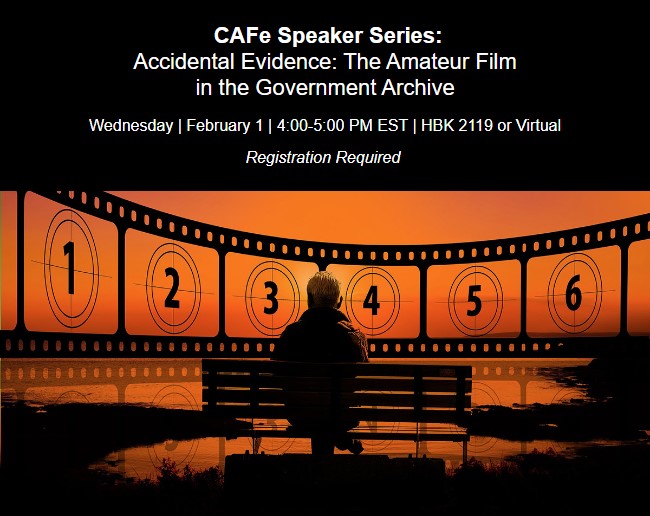
Abstract:
The Federal archive may be the last place one thinks to look for amateur film, but among the footage shot by government employees and contractors there are numerous films collected by government agencies because they document activities or events of importance to the United States. This “accidental evidence” includes films of UFO sightings, a presidential assassination, and the activities of American fascists. In this presentation, Audrey Amidon and Heidi Holmstrom from NARA will reflect on what makes a film a government record and how these amateur films came to be preserved at the National Archives
December 7, 2022: CAFe Speaker Series: Belongings, Archives & Indigenizing Design
Lorén M. Spears, Narragansett and Executive Director of Tomaquag Museum
Abstract: The Tomaquag museum established in 1958 by Eva Butler, an anthropologist, with the guidance of the late Princess Red Wing (Narragansett/Wampanoag) is the only museum in Rhode Island dedicated to and operated by Indigenous peoples in the state and region. Tomaquag’s mission is to educate the general public about the histories of Indigenous peoples in ways that center their experiences in the past, present and future. The museum through its mission, outreach, and educational initiatives strives to Indigenize the museum through decolonizing and Indigenizing practices and policies. Lorén Spears, Narragansett, and Executive Director of Tomaquag Museum, will share the strategies around decolonizing and Indigenizing the policies, processes, and design of collections and archives within our current museum and our planning for our new museum campus.
Victoria Van Hyning, Assistant Professor, the University of Maryland, College of Information Studies; Representative of the Journal of Open Humanities Data
Paola Marongiu, Ph.D. Student, University of Neuchâtel; Representative of the Journal of Open Humanities Data
Kristina E. Poznan, Clinical Assistant Professor, the University of Maryland, College of Arts & Humanities; Representative of the Journal of Slavery and Data Preservation
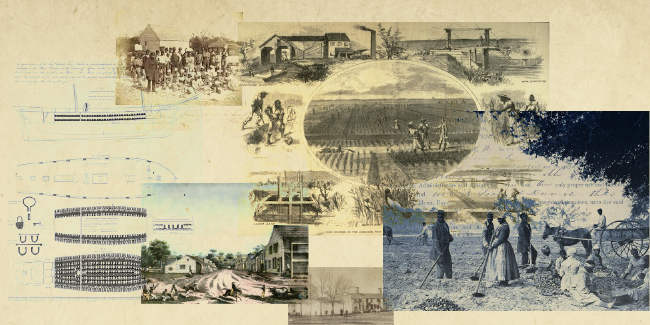
October 5, 2022: Close/Distant: Scales of Analysis in Digital Projects
Dr. Ruth Ahnert, Queen Mary University
September 23, 2022: SNACSchool @ UMD
This is the official training program of the Social Networks and Archival Context (SNAC) platform. SNAC is a cooperative platform that aggregates archival finding aids, making collections searchable across institutions, and across the world.
NARA archivists and SNAC Liaisons Jerry Simmons and Dina Herbert lead an in-person half-day training in SNAC. We are very lucky to be partnering with SNAC to offer this training live for UMD students, staff, and faculty.
Attendees will get a refresher on some core concepts (a.k.a. authority control, metadata standards), learn how to edit a historical figure, and link them to archival resources across the world.
September 14, 2022: Virtual Panel Discussion: Digitizing Artifacts from the Black Lives Matter Memorial Fence
Aliza Leventhal (Library of Congress), Jodi Hoover (Enoch Pratt), Laura Farley (DC Public Library), Junious Whitaker IV (Howard University) and Karen Irwin (activist), and Nadine Seiler (activist)
SPRING 2022
May 4, 2022: Speaking with the Past: Novel forms of access to spoken word collections
Douglas W. Oard. Professor, University of Maryland, INFO
April 6, 2022: A Supposedly Fun Thing I’ll Never Do Again: Graduate Archival Studies During COVID-19
Ferrin Evans. Master’s candidate, Faculty of Information, University of Toronto
March 2, 2022: Techno-Vernacular Creativity and Innovation
Dr. Nettrice Gaskins. Artist. Academic. Cultural Critic and advocate of STEAM fields
February 2, 2022: Body-Oriented Cataloging and the Future of Gender in Archives
Travis Wagner, Ph.D. Postdoctoral Fellow. University of Maryland, INFO
The Center for Archival Futures (CAFe)
University of Maryland
Hornbake Library
4130 Campus Drive College Park, MD 20742